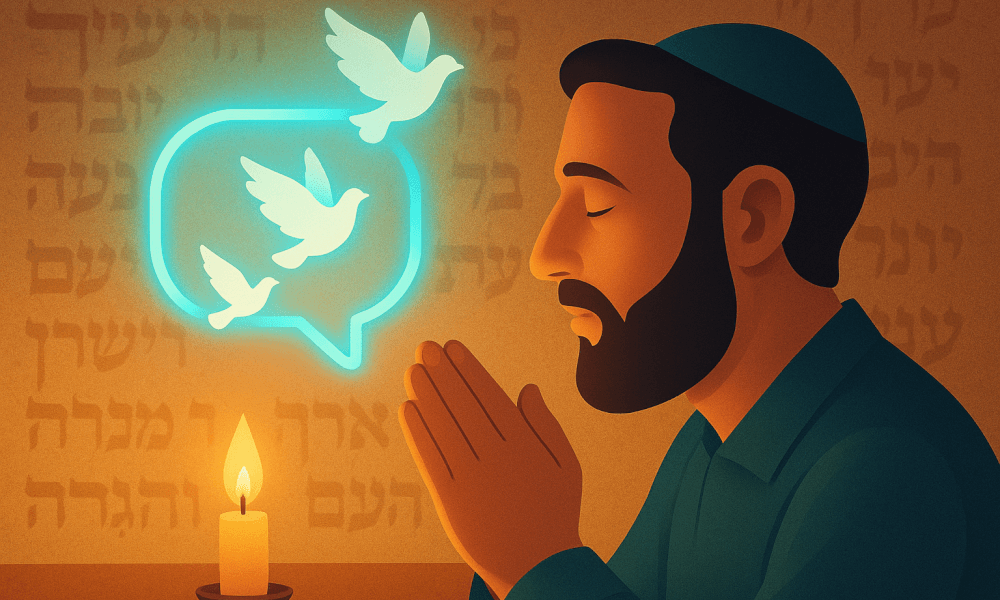
Have you ever paused to think about how the concept of Judaism duty shapes your daily life? Growing up, my grandfather used to sit me down after Friday night dinners—over some warm challah still steaming from the oven—and he’d share stories woven with wisdom about our traditions. He didn’t present these duties as strict rules, but rather inviting pathways toward purpose and meaning.
Judaism duty isn’t merely an obligation; it’s a partnership and ongoing conversation between us and something much greater than ourselves. I’ve learned along the way that it’s not just about carrying out tasks or checking off boxes on a religious checklist—it’s the heartbeat guiding every action, from praying in the morning’s quiet stillness to thoughtfully choosing kosher products at a crowded supermarket aisle (you know what I’m talking about!).
Each mitzvah is an opportunity—a moment to deepen our connection, build community ties, or even integrate modern tools like AI into age-old practices of study and devotion. How cool is it that today we can tap into technology yet still stay so closely tied to this timeless essence? Let’s dive in together and explore exactly how resonant this sacred sense of responsibility remains for us all today!
Understanding the Core Judaism Duty
Overview of Duty in Judaism
The concept of duty in Judaism runs deeper than mere obligation—it’s the spiritual backbone of our daily lives. When my grandfather first taught me about our traditions, he didn’t frame them as burdens but as sacred opportunities to connect with something greater than ourselves.
At the core of Judaism duty lies the understanding that we’re partners with the Divine in perfecting the world. Our duties aren’t arbitrary rules but purposeful actions that bring meaning to existence. This sense of duty manifests through mitzvot (commandments), ethical principles like justice and compassion, and responsibilities in Jewish faith toward community and family.
As Judaism adherents, we navigate integrating modern technologies like AI into Torah study, while these foundational Jewish religious obligations remain our compass, guiding how we apply new tools to deepen our understanding of ancient wisdom.
The Concept of Mitzvot (Commandments)
Building on these foundational principles, let’s explore what mitzvot in Judaism actually entail in our tradition. Mitzvot are the divine commandments that form the framework of Judaism duty.
The Torah contains precisely 613 commandments, thoughtfully divided into 248 positive commandments (things we must do) and 365 negative commandments (things we must avoid). These Torah commandments fall into three categories representing the 3 types of Jewish law: Mishpatim (logical laws), Edot (testimonial observances), and Chukim (decrees without obvious rationale).
Many people ask about “What are the 7 Laws of Judaism,” which actually refer to the Noahide laws for non-Jews, while Jews observe the full 613. In practice, we observe these halakhic duties through daily Jewish practices like prayer, wearing tefillin, and keeping Shabbat.
AI tools now offer fascinating new dimensions to mitzvot study—from digital platforms that analyze various interpretations to personalized learning algorithms that adapt to individual schedules and learning styles.

Torah and Talmudic Foundations of Jewish Duty
These mitzvot don’t exist in isolation but are deeply rooted in our sacred texts. The Torah itself provides the bedrock for understanding our obligations to God in Judaism, with verses like Leviticus 25:35 emphasizing our duty to support those in need through tzedakah in the Torah.
Ever notice how these ancient words still feel remarkably relevant in today’s complex world? The Talmud expands these concepts through intricate discussions, particularly emphasizing the central Jewish moral obligation of Torah study regardless of one’s financial circumstances.
I’m often struck by how the Talmudic concept of “bitul Torah” (neglect of Torah study) remains a powerful motivator in my own life. Judaism ethics examples abound throughout these texts, showing how performing mitzvah transforms our character.
Today’s AI tools offer remarkable opportunities to deepen our engagement with these foundational texts—allowing us to analyze linguistic patterns across centuries of commentary or creating customized study plans that adapt to our modern schedules while preserving the timeless nature of our spiritual responsibilities in Judaism.
How Does Judaism Duty Shape Our Daily Lives?
Halacha: Jewish Law and Daily Obligations
Halacha serves as our GPS for navigating daily Jewish life, turning abstract spiritual concepts into concrete actions through the 3 types of Jewish law.
It’s fascinating how these ancient laws provide such detailed guidance for modern living! From the moment we wake up to when we lie down, halacha shapes our choices about food, clothing, speech, and interactions with others—essentially encompassing all Jewish ethical duties.
Take kashrut, for instance—these dietary laws transform the simple act of eating into a sacred opportunity to connect with our tradition. When I’m deciding whether a new food product is kosher, I’m not just making a culinary choice but affirming my covenant with Hashem.
Halacha also adapts to contemporary challenges, with rabbis applying timeless principles to modern technologies like electricity use on Shabbat, ensuring Judaism remains relevant while honoring its foundations and halakhic duties.
Daily Religious Obligations
Building on the framework of halacha, our Judaism duty materializes in specific daily Jewish practices that anchor our spiritual lives:
- Prayer forms the backbone of Jewish daily practice, with three services—Shacharit, Minchah, and Ma’ariv—punctuating our day with moments of connection.
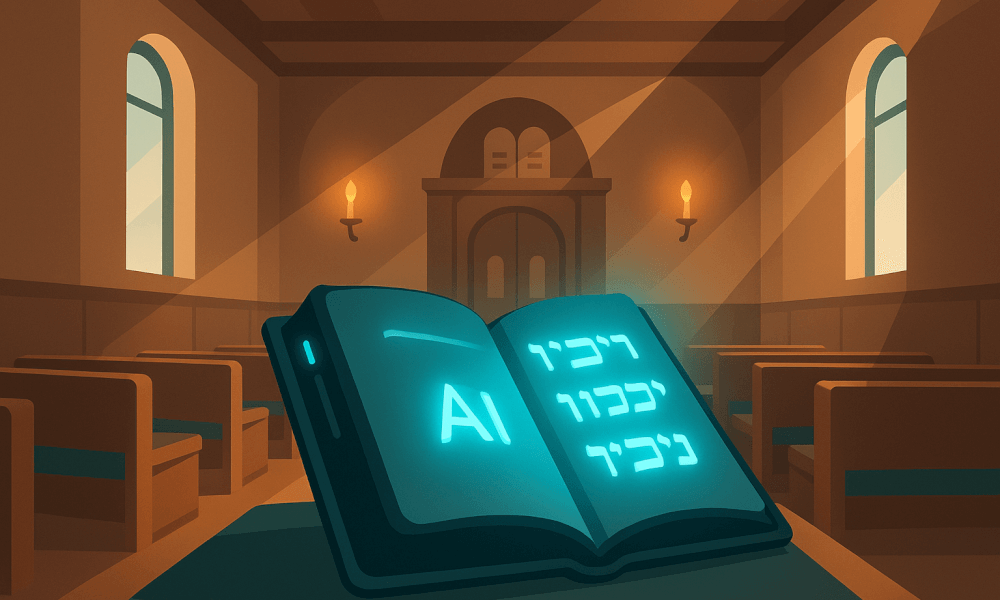
- AI tools now help maintain these Torah commandments by sending prayer time reminders and locating nearby minyanim when traveling.
- Torah study becomes more accessible through AI-enhanced platforms offering personalized paths.
- Blessings over food and experiences can be tracked through modern apps, helping us maintain gratitude consciousness.
- Community engagement expands through virtual platforms connecting isolated Jews to broader communities.
- Ritual objects like tefillin and mezuzot can be verified for kashrut using AI-powered scanning technologies.
Life Cycle Obligations
Moving from daily practices to lifetime milestones, Judaism shapes our journey from birth to death with meaningful obligations. These sacred moments define our communal responsibilities and Jewish covenant responsibilities:
| Life Cycle Event | Practical Impact on Daily Life | Influence on Communal Roles | AI Enhancements |
|---|---|---|---|
| Brit Milah | Emphasizes Jewish law from birth | Defines roles for mohels and sandeks | Digital platforms for finding mohels |
| Bar/Bat Mitzvah | Encourages deeper ritual engagement | Strengthens family-synagogue ties | AI-powered study plans for Torah prep |
| Marriage | Integrates observance into marital life | Involves rabbis, community leaders | Virtual mikvah scheduling tools |
| Mourning | Focuses on community support | Defines communal responsibility | Digital shiva announcement platforms |
Duties in Worship and Ritual Practice
The framework of Judaism duty becomes most visible in our approach to worship and ritual. Daily prayer serves as the heartbeat of Jewish observance, structuring our days.
I’ve found that these prayer services aren’t merely obligations to check off but opportunities to realign with divine purpose. Halachic sources guide these practices, ensuring continuity across generations while allowing for necessary adaptations.
The preference for communal worship through a minyan underscores collective experience over individual spirituality. Through AI tools like digital prayer companions, we’re finding innovative ways to fulfill ancient obligations, preserving their essence.
Social and Educational Responsibilities
The Role of Community and Responsibility to Others
In Jewish tradition, our duties extend far beyond individual practice—they’re profoundly communal. The Talmudic principle “Kol Yisrael arevim zeh bazeh” (all of Israel are responsible for one another) isn’t merely a saying; it’s foundational.
AI tools, such as collaborative platforms, now help us experience this communal interconnectedness. Technologies create digital spaces for communal learning, reinforcing the importance of collective mitzvot.
Lifelong Learning and Intellectual Duty in Judaism
The pursuit of knowledge is a sacred obligation in Judaism. But consistent learning can be challenging.
AI-powered learning tools offer personalized experiences, helping users engage meaningfully with texts and the details of Jewish law. These innovations honor our tradition while making lifelong learning accessible and engaging.
Judaism duty isn’t just about fulfilling obligations—it’s joyfully connecting deeply with heritage, community, and something larger than us all. Next time you’re fulfilling an ancient observance or starting your new personalized study plan, smile and dive wholeheartedly—embracing life itself.