lag baomer always feels like that first warm breeze after a long winter—suddenly you’re outside, roasting marshmallows over crackling flames, and the sweet scent of wood smoke wraps around you like an old hoodie. I still remember my first time at a community bonfire, the way the sparks danced against the dark sky and the laughter of friends felt as bright as the firelight. It’s more than just a spring festivity; it’s a soulful pause between Passover and Shavuot, a day when the usual hush of remembrance gives way to music, dancing, and that irresistible urge to celebrate. Have you ever noticed how a simple glow can spark deep conversations? Whether you’re collecting sticks for a towering blaze or sharing carob-stained treats, this festive day invites us to mix joy with tradition, turning an ordinary evening into something truly memorable.
What Makes Lag BaOmer Special in Jewish History?
What is Lag BaOmer? – Definition and Overview
Lag BaOmer stands as a unique day in our Jewish calendar—a festive respite amidst a period of semi-mourning. This minor Jewish holiday occurs on the 33rd day of the Counting of the Omer, that seven-week bridge connecting Passover to Shavuot. The name itself comes from Hebrew letters: “lag” combines lamed (ל = 30) and gimel (ג = 3), giving us 33.
While not mentioned in the Torah, Lag BaOmer has evolved into a day of celebration where mourning customs are lifted. It commemorates the end of a plague that devastated Rabbi Akiva’s students and marks the yahrzeit (death anniversary) of Rabbi Shimon bar Yochai—mystical sage whose teachings illuminate Jewish mysticism. The Lag BaOmer meaning encompasses both remembrance and joy, as Jewish communities worldwide embrace this day with bonfires, music, and lively gatherings.
Historical Significance – Rabbi Shimon bar Yochai and the End of the Plague
When we dive into the story behind Lag BaOmer, we find profound meaning woven into our collective Jewish history. First, it marks the cessation of a devastating plague that killed approximately 24,000 of Rabbi Akiva’s students during the Counting of the Omer. The Talmud tells us this divine punishment was linked to their failure to properly respect one another—a powerful reminder of Rabbi Akiva’s central teaching about loving your fellow as yourself.
Second, Lag BaOmer is observed as the yahrzeit of Rabbi Shimon bar Yochai, one of the five surviving students who ensured Torah’s continuity after this tragedy. His life and teachings represent the transmission of Kabbalistic wisdom, which is why bonfires—symbolizing the light of his mystical Torah—have become central to our celebrations. Many pilgrims travel to Meron, Israel, where Rabbi Shimon is buried, making it a significant Jewish pilgrimage destination.
Date of Lag BaOmer and How It Is Calculated
Have you ever wondered exactly how we determine when to celebrate Lag BaOmer? The date follows a straightforward calculation within our Jewish calendar system. Lag BaOmer is always the 33rd day of the Counting of the Omer, which begins on the second day of Passover (the 16th of Nissan).
This counting process comes directly from Torah’s instruction in Leviticus 23:15–16, where we’re commanded to count seven complete weeks. When we reach the 33rd day, we’ve arrived at Lag BaOmer, which consistently falls on the 18th of the Hebrew month of Iyar.
While the Gregorian date varies annually because our lunar-based Hebrew calendar shifts, Lag BaOmer remains fixed on 18 Iyar, preserving its sacred timing in our yearly cycle.
The Counting of the Omer and Lag BaOmer’s Placement Within It
The journey from Passover to Shavuot creates a spiritual bridge that we traverse through the Counting of the Omer. This 49-day period connects our physical liberation from Egypt with the spiritual revelation at Mount Sinai—a transformation from freedom to purpose.
Lag BaOmer appears at a critical juncture in this journey—the 33rd day—creating a meaningful pause in what is otherwise observed as a semi-mourning period. Its placement serves as a turning point where restrictions are lifted and celebration becomes permissible again. Traditional customs include special foods, sending Lag BaOmer greetings, and for many children, their first haircut in a ceremony known as upsherin. This day reminds us that even within periods of reflection and restraint, there’s room for joy and renewal.
Modern Lag BaOmer Celebrations and Customs
Customs and Traditions of Lag BaOmer
As we explore the special day of Lag BaOmer, it’s worth noting how richly varied our customs have become across different Jewish communities. The traditions center primarily around celebrating Rabbi Shimon bar Yochai’s life and teachings.
Many families observe the day by hosting outdoor gatherings with music and festive meals, breaking from the solemn character of the Omer period. In Israel, children collect wood for weeks before the holiday to build massive bonfires. The custom of playing with bows and arrows recalls that during Rabbi Shimon’s lifetime, no rainbow (a sign of divine displeasure) appeared, symbolizing his spiritual protection.
For many, particularly in Chassidic communities, this day marks the joyful upsherin ceremony where three-year-old boys receive their first haircut, symbolizing their introduction to Torah education.
Bonfires and Their Symbolism
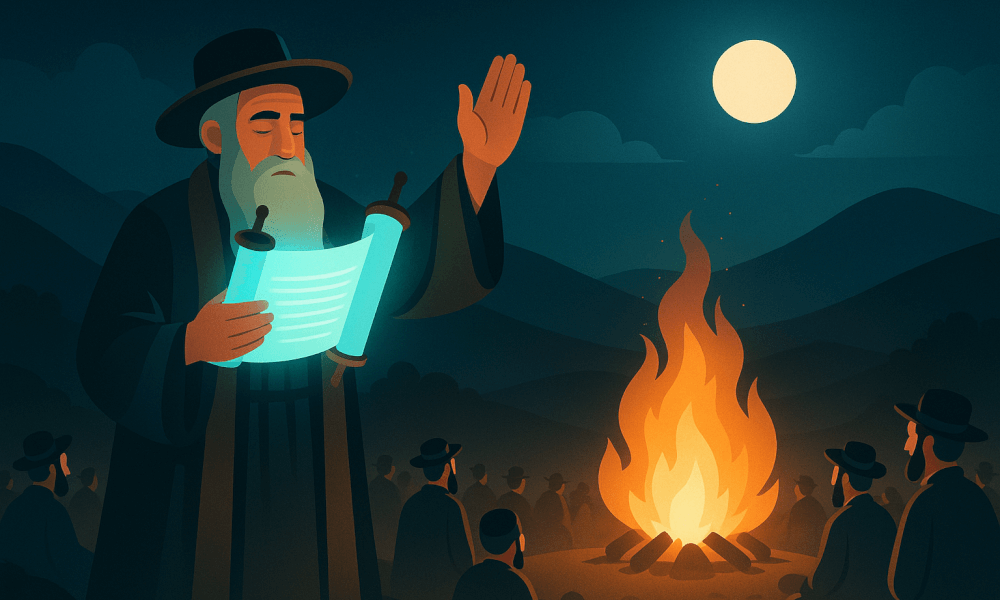
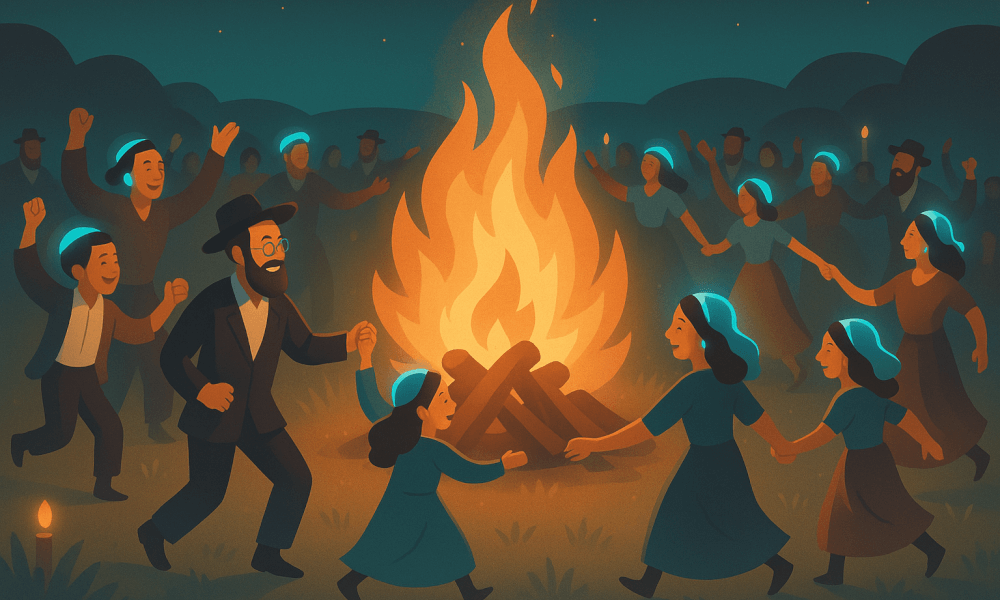
Bonfires stand as the most visible and powerful symbol of Lag BaOmer celebrations worldwide. They represent the spiritual light Rabbi Shimon bar Yochai brought into the world through his mystical teachings.
When we gather around these fires, the dancing flames remind us of how Rabbi Shimon, traditionally credited with authoring the Zohar, illuminated the world with Kabbalah’s profound wisdom. The fires also commemorate how, according to tradition, the day of his passing was filled with supernatural light as he revealed his deepest mystical teachings.
For Zionist communities, these fires additionally evoke the signal fires of the Bar Kokhba revolt, connecting ancient Jewish resistance to modern spiritual resilience.
Lag BaOmer Parades and Public Celebrations
- The Great Lag BaOmer Parade in over 100 cities across more than 25 countries.
- Chabad-Lubavitch parades, which integrate Torah learning with the recitation of the “12 Pesukim” before processions begin.
- The massive pilgrimage to Meron, Israel, where approximately 250,000 participants gather at Rabbi Shimon’s tomb for prayer, song, and dancing.
- Children marching with creative banners and playing with traditional bows and arrows.
- Music and dancing that affirm the holiday’s character as a joyful break within the solemn Omer period.
These celebrations serve as powerful expressions of Jewish continuity, combating antisemitism through visible, vibrant Jewish life.
Traditional Foods Associated with Lag BaOmer
Our Lag BaOmer gatherings also feature distinctive foods that connect us to the holiday’s spiritual essence. Below is a comparison of traditional dishes across communities.
| Food Item | Symbolism | Community Variations | Modern Adaptations |
|---|---|---|---|
| Carob (K’ruvot) | Represents the miraculous sustenance of Rabbi Shimon and his son | Sephardic eat whole pods; Ashkenazi use carob powder | Carob chips in cookies; carob brownies |
| Hard-boiled eggs with onion skins | Signifies mourning transformed to joy through reddish-brown coloring | Chabad and Hasidic communities | Educational egg-dyeing activities with children |
| Grilled meats (especially lamb) | Connected to outdoor celebrations and festive meals | Common in Israel; varies in diaspora | BBQ gatherings that incorporate Torah discussions |
| Barbecue and picnic foods | Reflects the outdoor nature of the holiday | Universal across most communities | Food trucks at parades; kosher marshmallow roasting |
These foods create wonderful opportunities for discussing Torah concepts with students of all ages, especially when we explore how mystical teachings compare to physical nourishment.
Music and Songs Associated with Lag BaOmer
Lag BaOmer music uplifts our spirits and connects us to the day’s meaning. Traditional songs like “Bar Yochai,” composed in the 16th century by Rabbi Shimon Lavi, resonate around bonfires worldwide.
The Israeli folk song “HaFinjan” has become popular for secular celebrations, evoking the warm atmosphere of coffee brewing over an open fire. In many yeshivot, students learn both ancient mystical niggunim and contemporary Lag BaOmer tunes that speak to Rabbi Shimon’s legacy.
The Hasidic tradition offers especially rich musical expressions, with spirited dancing and singing that emphasize the spiritual light celebrated on this day. Through melody and movement, communities extend a warm Lag BaOmer greeting that marks the 33rd day of the Omer.
The Spiritual Essence of Lag BaOmer
Lag BaOmer and the Age of First Haircut (Upsherin)
When we look deeper into Lag BaOmer traditions, we find beautiful connections to childhood milestones. The upsherin ceremony, when a boy gets his first haircut at age three, often coincides with Lag BaOmer—perfect timing since haircuts are avoided during most of the Omer period.
This ritual traces back to Rabbi Isaac Luria (the Arizal), who reportedly performed his son’s first haircut at Rabbi Shimon bar Yochai’s gravesite in Meron. It marks a child’s formal entry into Jewish education, as boys begin wearing tzitzit and yarmulke while shaping their peyot (sidelocks).
Pilgrimage to Meron – Celebration at the Tomb of Rabbi Shimon bar Yochai
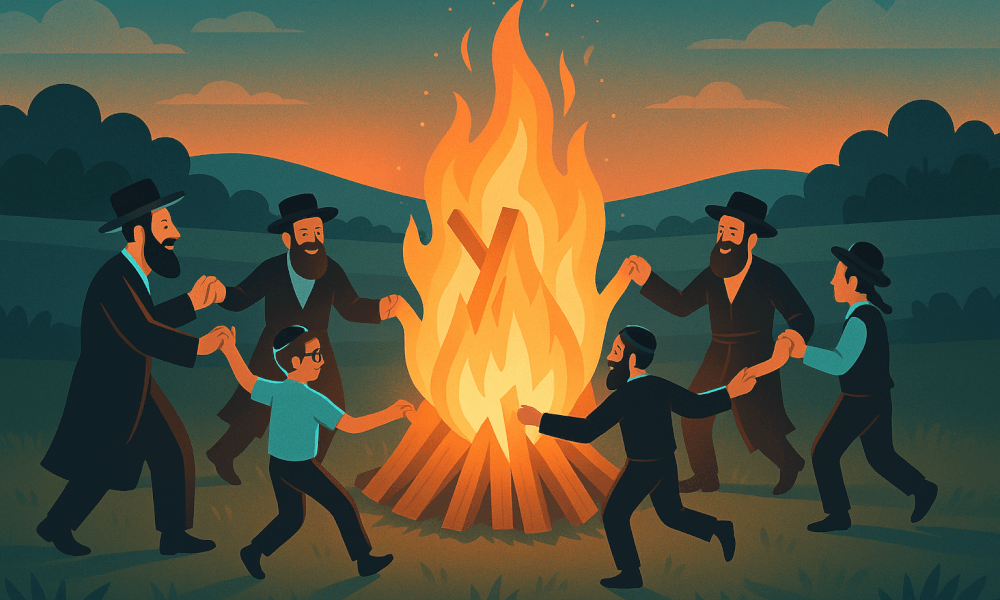
The energy in Meron during Lag BaOmer is absolutely electric. The pilgrimage to Rabbi Shimon’s tomb on Mount Meron has become the second-most visited Jewish holy site after the Western Wall, drawing up to half a million participants annually.
Lag BaOmer marks Rabbi Shimon’s yahrzeit, which he instructed disciples to celebrate joyfully rather than mourn. Bonfires illuminate the night sky, symbolizing the spiritual light of his teachings. Families dance around these fires, singing special songs that express deep connection, often bringing their three-year-old boys for upsherin ceremonies.
Kabbalistic and Mystical Significance of the Day
The deeper I’ve studied Lag BaOmer, the more I appreciate its mystical dimensions. This day commemorates Rabbi Shimon bar Yochai, whose teachings in the Zohar revealed Torah’s innermost secrets.
The Hebrew word “Gal” (in Lag BaOmer) means “to reveal,” perfectly reflecting the unveiling of Torah’s hidden truths. When Rabbi Shimon emerged from his cave on Lag BaOmer after years of intense study, he taught that the physical world itself contains divine presence. Our bonfires aren’t just pretty—they represent spiritual illumination, commemorating how daylight miraculously extended on his deathbed while he dictated final wisdom.
Lag BaOmer in Chabad and Other Jewish Movements
- Chabad blends joy with mystical symbolism, boiling eggs with onion peels to create reddish-brown shells.
- Many communities organize large bonfires representing Rabbi Shimon’s spiritual light, with festive dancing and singing of niggunim like “Bar Yochai.”
- Eating carobs connects all movements to Rabbi Shimon’s cave experience, where he and his son survived on carobs and water.
- Pilgrimages to Meron vary: Chabad emphasizes deep Zohar study, while Religious Zionists highlight connections to Bar Kokhba’s rebellion.
- Secular Israelis often celebrate with national themes of independence, similar to Yom HaAtzmaut.
Connection to Other Jewish Holidays
Lag BaOmer fits beautifully into our annual cycle of Jewish holidays. Occurring on the 33rd day of the Omer count, it creates a meaningful bridge between Passover and Shavuot.
While Passover celebrates our physical redemption from slavery, Shavuot marks Torah’s revelation at Sinai. Lag BaOmer interrupts the semi-mourning period with joy—lifting restrictions on weddings, haircuts, and music. It reminds us that even within periods of reflection, we find moments of light and celebration that strengthen us for the journey ahead.